Korsør's Nightmare: The True Story Behind A Friend, A Murderer
The picturesque Danish town of Korsør became the unwilling stage for a chilling true-crime saga, forever altering its sense of peace and community. Netflix's three-part docuseries,
A Friend, A Murderer, plunges viewers into the heart of this darkness, not just to recount the heinous crimes, but to explore the profound and devastating ripple effect when the perpetrator is discovered to be someone utterly unexpected: a close friend. This isn't just a story about a murder; it's a harrowing examination of trust shattered, friendships annihilated, and a community wrestling with the unthinkable.
The Shadow That Fell Over Korsør: A Community in Panic
The nightmare began in July 2016, when a 17-year-old girl vanished without a trace from Korsør. Her disappearance ignited an immediate and intense wave of fear, particularly among the town's young women. What started as a local missing persons case quickly escalated into a widespread community crisis. Hundreds of townspeople, driven by a desperate hope and a looming sense of dread, volunteered to search for her. Under the coordination of individuals like Jane Valstead, the search efforts were relentless, spanning weeks and then months, yet yielding no answers.
The palpable fear that enveloped Korsør was immense. Parents worried for their children, and young people, once feeling secure, now looked over their shoulders. Incidents, like a woman recording strange noises through a garage wall, believing she heard a cry for help, illustrate the pervasive paranoia that gripped the town. This was a community united by fear, desperately searching for a phantom threat.
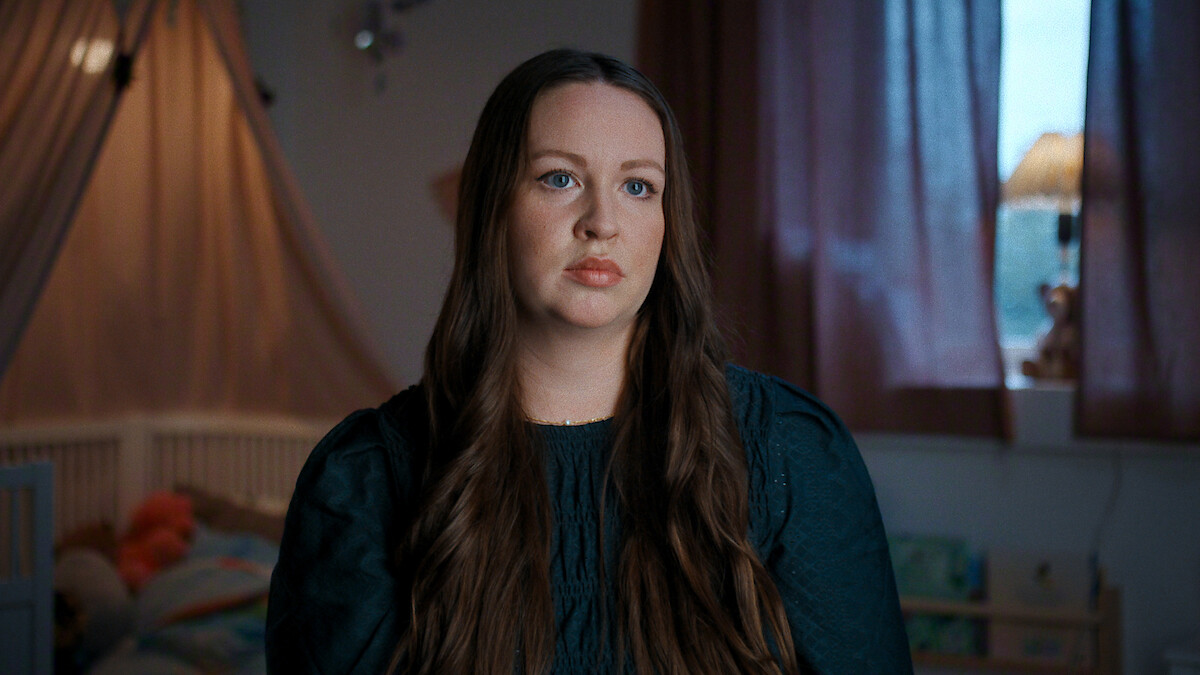
Tragically, the search concluded on Christmas Day with the discovery of the girl's body. The immediate relief of finding her was quickly overshadowed by the chilling reality that her killer remained at large, a shadow still lurking within their midst. As one interviewee, Amanda, hauntingly notes in the series, the source of all that terror was "right next to me" – a statement that encapsulates the central horror of
A Friend, A Murderer.
"A Friend, A Murderer": Unmasking Evil Within the Inner Circle
What sets
A Friend, A Murderer apart from conventional true-crime narratives is its courageous decision to pivot the focus from the minute details of the crime itself to its psychological and social fallout. The series masterfully builds its narrative around the perspective of those closest to the killer, particularly Amanda and her tight-knit group of friends, including Nichlas and Philip. Their youthful camaraderie forms the emotional backbone of the story, making the eventual revelation all the more devastating.
The filmmakers navigate a sensitive path by deliberately anonymizing the victims, a choice that, while perhaps feeling "awkward" to some viewers initially, serves to underscore the series' true intent: to explore the *impact* of betrayal. By shifting the lens,
A Friend, A Murderer transforms into a profound study of how unimaginable evil can fester within seemingly normal social circles. The early episodes painstakingly establish the strong bonds within this friend group, only to then slowly, agonizingly, reveal that one among them was capable of such monstrous acts. The suspense isn't just about *who* the killer is, but *what it means* for those who shared their lives with him.
The journey of discovery for Amanda and her friends is central to the docuseries. It explores the cognitive dissonance, the disbelief, and the ultimate shattering of their understanding of friendship and trust. Imagine the terror of realizing that the person you confided in, laughed with, and perhaps even defended, was the very monster that haunted your community. This excruciating realization is at the core of what makes
A Friend, A Murderer: When the Killer Was One of Your Own such a powerful and unsettling viewing experience.
Decoding Trust and Betrayal: Lessons from "A Friend, A Murderer"
Beyond its gripping narrative,
A Friend, A Murderer offers a harrowing exploration into the nature of trust, the human capacity for deception, and the resilience required to rebuild after unimaginable betrayal. The series compels us to question our own perceptions of others and the unsettling reality that appearances can be profoundly misleading.
Here are some insights and reflections drawn from the powerful themes within the series:
*
The Banality of Evil: The docuseries starkly illustrates how a perpetrator can hide in plain sight, living a seemingly normal life while harboring dark, violent secrets. This challenges our often-held belief that evil individuals are always outwardly identifiable.
*
Psychological Impact on Witnesses: The series provides a rare glimpse into the long-term psychological burden carried by those who were close to the perpetrator. Their journey is one of processing grief not for a victim, but for a lost sense of safety, innocence, and the profound trauma of realizing who they unknowingly associated with.
*
Community Trauma and Healing: The fear and paranoia that gripped Korsør highlight how a single crime can scar an entire community. While the eventual arrest of the perpetrator eight years later brings a sense of closure, the series reminds us that healing is a complex, protracted process, especially for those whose lives were directly entangled.
*
The Fragility of Friendship: The core tragedy for Amanda's group is the obliteration of their close bonds. The series underscores how trust, once broken by such a horrific revelation, can be incredibly difficult, if not impossible, to repair, fundamentally changing the dynamics of relationships forever.
Understanding
Decoding A Friend, A Murderer: Impact on Friendships & Community means acknowledging that crime's reach extends far beyond the direct victims, casting long shadows over innocent lives and challenging the very foundations of human connection.
The Legacy of "A Friend, A Murderer": A New Face for True Crime
In a genre often criticized for sensationalism,
A Friend, A Murderer carves out a niche by prioritizing human relationships and the psychological aftermath of crime. It’s less a whodunit and more a profound *how-did-we-not-know* and *how-do-we-move-on* narrative. The documentary achieves this by meticulously piecing together timelines, emotions, and the slow, horrifying dawning of truth from multiple perspectives, drawing viewers into the deeply personal horror experienced by those who called the killer their friend.
The series stands as a testament to the enduring human struggle for understanding and closure in the face of unspeakable acts. It reminds us that while justice may eventually be served, the scars left by such profound betrayal and violence can linger for a lifetime, shaping not just individuals but the very fabric of communities.
Conclusion
A Friend, A Murderer is more than just another true-crime docuseries; it’s a chilling psychological thriller wrapped in a devastating human drama. It forces viewers to confront uncomfortable truths about evil, trust, and the unimaginable pain of betrayal when the monster turns out to be someone you once held dear. For anyone seeking a true-crime narrative that delves deep into the human psyche and the devastating ripple effects of crime on friendships and communities, this Netflix series is an essential, albeit unsettling, watch. It leaves an indelible mark, prompting profound reflection on the fragility of trust and the hidden depths of human nature.