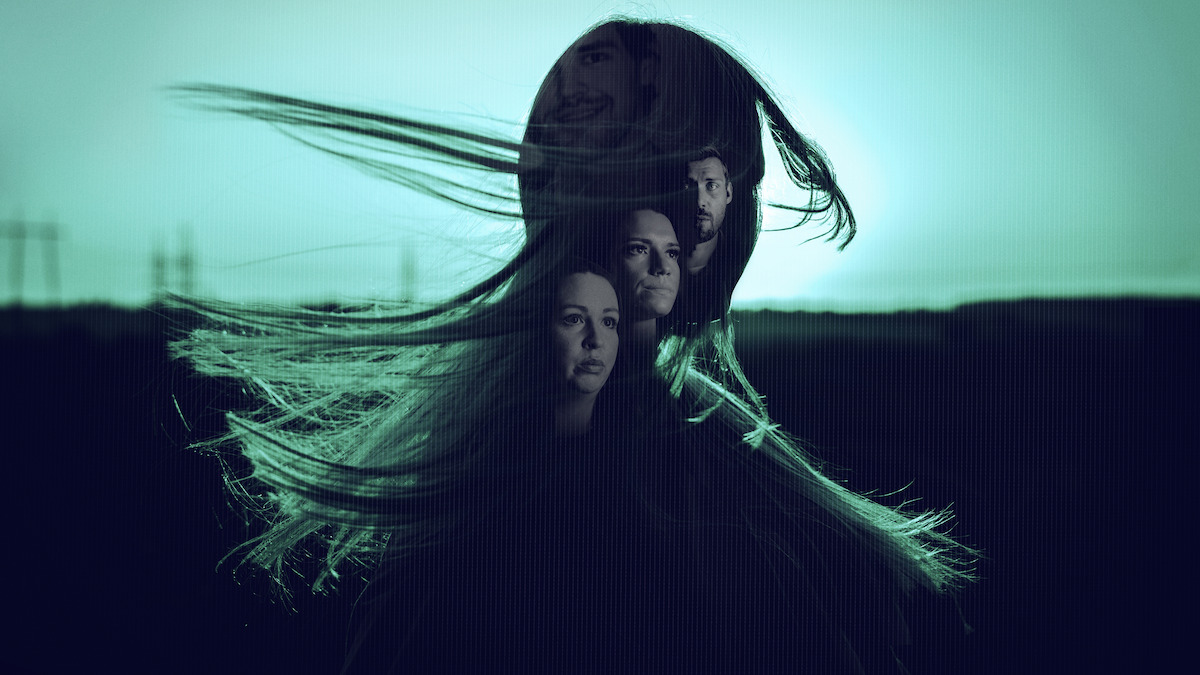
The Unthinkable Betrayal: When a Friend Becomes a Murderer
The human mind struggles to reconcile two profoundly contradictory concepts: trust and treachery, companionship and heinous crime. Yet, the chilling reality that a trusted acquaintance, or even a close friend, could be capable of unspeakable acts is a narrative that continues to haunt us. The Netflix docuseries, A Friend A Murderer, plunges viewers into just such a nightmare, dissecting a series of devastating crimes in the seemingly tranquil Danish town of Korsør and the seismic shockwaves they sent through a tightly knit group of friends.
This three-part series, unlike many true-crime offerings, doesn't solely focus on the victims or the intricacies of the police investigation. Instead, it places a spotlight on the lives irrevocably altered by the discovery that the perpetrator was "one of their own." The main keyword, A Friend A Murderer, encapsulates this core paradox, exploring how the bonds of friendship were not only tested but shattered when the killer was revealed to have been hiding in plain sight.
The narrative begins with an air of youthful innocence, showcasing a group of twentysomething friends enjoying life. This stark contrast makes the subsequent events all the more jarring. When a 17-year-old girl vanishes in July 2016, a pervasive fear grips Korsør. The town mobilizes, hundreds volunteering for an intense search coordinated by Jane Valstead, highlighting the inherent community spirit. However, as weeks turn into months, and the girl's body is tragically discovered on Christmas Day, the looming question of an elusive suspect casts a long, terrifying shadow. As one of the friends, Amanda, poignantly recalls a decade later, the source of their collective terror was "right next to me."
The Shadow Within: How Trust Crumbled in Korsør
The initial disappearance of the 17-year-old girl in Korsør ignited a widespread panic that is universally relatable. In a small town, such an event shatters any illusion of safety, replacing it with a creeping paranoia. Neighbors become suspicious, and every stranger a potential threat. What makes the story of A Friend A Murderer particularly unsettling is the eventual revelation that the true threat wasn't a stranger lurking in the shadows, but someone embedded within the community's fabric, within a trusted circle of friends.
The docuseries expertly builds this tension, drawing viewers into the collective fear experienced by young women like Amanda. Her interviews, conducted ten years after the initial crime, are central to understanding the psychological toll. She recounts the close bonds she shared with her teenage friends, including Nichlas and Philip, whose relationships form the emotional spine of the series. This intimate portrayal allows us to grasp the magnitude of the betrayal that would later unfold. The idea that a friend, someone you shared laughter, secrets, and life experiences with, could be a perpetrator of such heinous acts, is a betrayal of the deepest kind.
This perspective, focusing on the friends of the killer, offers a unique lens through which to examine true crime. While the pain of victims' families is undeniable, A Friend A Murderer also delves into the complex and often overlooked trauma experienced by those who unknowingly harbored a monster. It explores how the discovery didn't just solve a crime; it ripped apart friendships, questioned memories, and forced individuals to re-evaluate their entire past with the killer. For more on the deep community impact, read our article Decoding A Friend, A Murderer: Impact on Friendships & Community.
Unmasking the Deception: The Killer Hiding in Plain Sight
One of the most chilling aspects explored by A Friend A Murderer is the concept of the perpetrator living a dual life – a seemingly normal friend and an unspeakable criminal. The very notion that someone you know, someone you interact with regularly, could harbor such dark secrets is deeply unsettling. It forces us to question our judgment, our intuition, and the very foundation of trust we place in those around us.
The docuseries effectively showcases the methodical and patient investigation that eventually led to the killer's apprehension eight years after the first disappearance. While the arrest brought a sense of closure to the town of Korsør, for those closest to the perpetrator, it opened a new, more complicated chapter of grief and confusion. How do you reconcile the person you thought you knew with the monster they were revealed to be? This internal conflict is a central theme, as the friends grapple with memories tainted by the horrifying truth. The killer wasn't just a stranger; he was the person they saw every day, the one who participated in their lives, perhaps even joining the search efforts, a horrifying thought that underscores the extent of the deception.
Understanding how individuals can maintain such a facade offers crucial, albeit difficult, insights into human psychology. Perpetrators of such crimes often exhibit a profound ability to compartmentalize their lives, presenting a convincing outward persona while concealing their true nature. For those who were friends with the killer, the process of healing involves not only coming to terms with the crimes themselves but also deconstructing their entire past relationship, sifting through shared moments to find hints that may or may not have been there. It’s a testament to the fact that evil doesn't always wear a discernible mask, often blending seamlessly into the fabric of everyday life.
The Long Road to Healing: Rebuilding After Betrayal
The aftermath of such a revelation is a protracted and arduous journey. For the friends of the killer featured in A Friend A Murderer, the arrest didn't immediately bring peace; instead, it triggered a fresh wave of shock, anger, and profound sadness. The close-knit friend group was not only shocked by the perpetrator's actions but also by the discovery itself, which inevitably strained and often fractured their relationships. Trust, once freely given, now seemed like a naive vulnerability.
The series explores the intricate process of how individuals and a community attempt to rebuild after such a devastating event. How do you move forward when the source of terror was once the person you shared intimate moments with? This goes beyond personal grief; it affects the entire social fabric of a community. Suspicion can linger, and the simple act of trust can become fraught with anxiety. It highlights the importance of open communication, therapy, and community support in processing such a collective trauma.
While the series offers a crucial perspective from the "non-victims," it never diminishes the suffering of the victims and their families. Instead, it broadens our understanding of the far-reaching impact of violent crime, demonstrating how the ripples extend outward, touching unexpected lives and forever altering the landscape of interpersonal relationships. The story of Korsør, as depicted in A Friend A Murderer, serves as a poignant reminder of the enduring human capacity for both cruelty and resilience. For a deeper dive into the specific events, refer to Korsør's Nightmare: The True Story Behind A Friend, A Murderer.
Insights from A Friend A Murderer: Navigating the Unfathomable
The docuseries A Friend A Murderer offers more than just a recounting of facts; it provides profound insights into human nature, the fragility of trust, and the resilience of the human spirit. It serves as a stark reminder that evil can lurk in the most unexpected places, challenging our preconceived notions of who is capable of what. While it's impossible to truly "prepare" for such a betrayal, the series encourages a nuanced understanding of social dynamics and the importance of intuition.
From a psychological standpoint, the series prompts reflection on:
- The Nature of Trust: How do we discern genuine character from a carefully constructed facade?
- Coping with Betrayal: The complex emotional journey of individuals who discover a loved one is capable of monstrous acts.
- Community Healing: The strategies and struggles involved in a community rebuilding its sense of safety and trust.
While we cannot live in constant suspicion, A Friend A Murderer subtly advocates for a balance between openhearted connection and a healthy awareness of the complexities of human behavior. It reinforces the idea that true crime extends beyond the crime itself, impacting a vast web of lives in ways that are often unseen but deeply felt. The series prompts us to consider the often-silent victims of such events – those whose lives are permanently scarred by proximity to the perpetrator, their innocence lost, and their trust irrevocably broken.
In conclusion, A Friend A Murderer is a powerful and unsettling exploration of the ultimate betrayal. It forces us to confront the uncomfortable truth that sometimes, the monster isn't under the bed or in the woods, but was once sitting right beside us, sharing a laugh. The series is a testament to the enduring power of true crime to not only inform but also to provoke deep introspection about trust, community, and the often-hidden depths of human darkness.